• Execise Daily

    Execise Daily to keep your self fit and strong

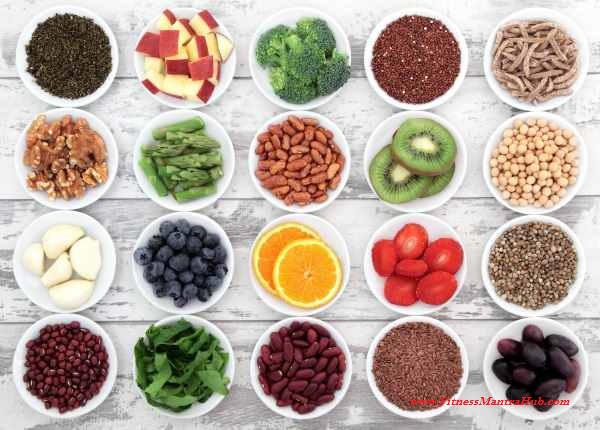
  • Say NO to Junk Food

    Eat Clean and stay fit and healthy

  • Follow Three E’s to stay healthy and fit

    1-.Eating Right 2-Exercise Regularly. 3-Everyday active.

Showing posts with label FitnessTips. Show all posts

Thursday, 23 October 2025

What Is Polycystic Ovarian Disease (PCOD)?

What is PCOD (Polycystic Ovarian Disease)?


PCOD, also called Polycystic Ovary Syndrome (PCOS), is a common endocrine disorder affecting 6–13% of women of reproductive age globally, with prevalence rising in recent decades. It is characterized by:

  • Hormonal imbalance (high androgens)
  • Irregular ovulation or anovulation
  • Multiple small cysts on ovaries

What-is-PCOD
What-is-PCOD
PCOS is a leading cause of infertility and is linked to long-term health risks such as type 2 diabetes, cardiovascular disease, endometrial cancer, and metabolic syndrome. Alarmingly, up to 70% of cases remain undiagnosed worldwide.


Global Trends and Burden

  • PCOS prevalence has increased by nearly 60% over the last three decades, with projections indicating further growth through 2036.
  • Economic impact: In the U.S., annual healthcare costs exceed \$4.36 billion, and lifetime management costs average \$22,000 per patient.
  • Quality of life: 40–60% of women with PCOS report anxiety or depression, and up to 50% experience relationship strain.


Causes of PCOD

Causes-of-PCOD
Causes-of-PCOD
PCOS is multifactorial:

  • Genetic predisposition combined with environmental triggers
  • Insulin resistance (present in up to 70% of cases) leading to excess androgen production
  • Lifestyle factors such as poor diet, obesity, and stress exacerbate symptoms


Symptoms

Common signs include:

  • Irregular or absent periods
  • Excess facial/body hair (hirsutism)
  • Acne and oily skin
  • Weight gain or difficulty losing weight
  • Hair thinning on scalp
  • Dark skin patches (acanthosis nigricans)
  • Infertility
  • Mood changes, fatigue, and sleep disturbances


Diagnosis

There is no single test for PCOS. Diagnosis uses Rotterdam criteria, requiring two of:

  1. Irregular ovulation
  2. Clinical/biochemical hyperandrogenism
  3. Polycystic ovaries on ultrasound

Tests include:

  • Blood work (androgens, LH/FSH ratio, glucose, lipids)
  • Ultrasound
  • Medical history review


Complications

Untreated PCOS can lead to:

  • Type 2 diabetes (risk up to 4x higher)
  • Cardiovascular disease
  • Endometrial cancer
  • Pregnancy complications (miscarriage risk 30–50% higher)


Mental Health Impact

  • Depression and anxiety affect 40–60% of women with PCOS
  • Increased risk of eating disorders (3–6 times higher)
  • Social stigma and body image issues worsen psychological burden


Diet and Lifestyle Recommendations
Diet-and-Lifestyle-Recommendations

Evidence-based strategies:

  • Low-GI diet: Whole grains, legumes, vegetables
  • Mediterranean diet: Anti-inflammatory, improves insulin sensitivity
  • Lean protein and omega-3 fats (fish, nuts, seeds)
  • Vitamin D optimization
  • Avoid refined carbs, sugary drinks, processed foods
  • Exercise: 150 min/week of aerobic + resistance training improves insulin sensitivity and ovulation
  • Stress management: Yoga, mindfulness, adequate sleep


Fertility Outcomes

  • Lifestyle changes restore ovulation in many cases
  • Letrozole is now preferred over clomiphene for ovulation induction
  • IVF success rates: ~42% live birth rate in PCOS patients
  • Bariatric surgery improves fertility in obese PCOS cases


References

Tuesday, 6 June 2023

Nightmare Relief: Discover Foods to Eat and Avoid for Better Sleep

Introduction:


Nightmares, characterized by distressing and vivid dreams during sleep, can have a significant impact on one's well-being and overall sleep quality. 

While various factors contribute to the occurrence of nightmares, including stress and psychological factors, emerging research suggests that dietary choices may play a role as well. 

This article explores the relationship between food consumption and nightmares, providing insights into foods that can potentially alleviate or aggravate this nocturnal phenomenon.

Night-Mare


I. Understanding Nightmares:


Before delving into dietary interventions, it is essential to comprehend the nature of nightmares. 

Nightmares typically occur during the rapid eye movement (REM) phase of sleep and are often associated with negative emotions, fear, and anxiety upon waking. Their occurrence may stem from psychological distress, trauma, or other underlying factors.


II. The Role of Diet in Nightmares:


While research on the direct impact of diet on nightmares is limited, certain foods and eating patterns have been observed to influence sleep quality and, by extension, nightmares. 

By making informed dietary choices, individuals may potentially reduce the frequency and intensity of nightmares.


III. Beneficial Foods:


a. Complex Carbohydrates: Including whole grains, legumes, and vegetables in your diet can promote stable blood sugar levels, thus potentially reducing nightmares associated with hypoglycemia or fluctuations in glucose levels.


b. Tryptophan-Rich Foods: Foods such as turkey, chicken, fish, dairy products, nuts, and seeds are rich in tryptophan, an amino acid precursor to serotonin, a neurotransmitter that helps regulate mood and sleep.


c. Magnesium-Rich Foods: Magnesium, found in leafy greens, nuts, seeds, and whole grains, is known to support relaxation and enhance sleep quality, potentially aiding in nightmare prevention.


d. Herbal Teas: Chamomile and peppermint teas, known for their calming properties, can contribute to a more relaxed state before bedtime, potentially reducing the occurrence of nightmares.


IV. Foods to Avoid:


a. High-Fat Foods: Consuming fatty and greasy foods close to bedtime can lead to indigestion, disrupting sleep and potentially triggering nightmares.


b. Caffeine and Stimulants: Substances such as coffee, tea, energy drinks, and chocolate contain caffeine and other stimulants that can interfere with sleep patterns, increasing the likelihood of nightmares.


c. Spicy Foods: Spices, especially when consumed in excess, may cause heartburn or acid reflux, which can disrupt sleep and potentially contribute to nightmares.


d. Alcohol: While alcohol initially induces drowsiness, it can disrupt the natural sleep cycle, leading to fragmented sleep and an increased likelihood of nightmares.


V. Additional Considerations:


a. Balanced Diet: Adopting a well-balanced diet that includes a variety of nutrients can optimize overall health and indirectly contribute to better sleep quality.


b. Hydration: Staying adequately hydrated throughout the day can support optimal bodily functions, including sleep.


c. Mindful Eating: Practicing mindful eating, which involves paying attention to food choices, eating patterns, and portion sizes, can enhance overall well-being and potentially improve sleep quality.


VI. Healthy Sleep Hygiene Practices:


In addition to dietary considerations, adopting healthy sleep hygiene practices can significantly contribute to minimizing nightmares and improving overall sleep quality. Consider the following suggestions:


a. Establish a Consistent Sleep Routine: Going to bed and waking up at the same time each day helps regulate the body's internal clock, promoting better sleep patterns and potentially reducing the occurrence of nightmares.


b. Create a Relaxing Bedtime Routine: Engage in activities that promote relaxation before bed, such as reading a book, taking a warm bath, or practicing gentle stretching exercises. These routines can help signal to the body that it's time to unwind and prepare for sleep.


c. Create a Sleep-Friendly Environment: Ensure that your sleep environment is conducive to restful sleep. Keep the bedroom cool, dark, and quiet, and consider using comfortable bedding and supportive pillows to enhance comfort.


d. Limit Exposure to Electronic Devices: The blue light emitted by electronic devices, such as smartphones, tablets, and laptops, can interfere with the body's natural sleep-wake cycle. 

Minimize exposure to these devices before bed to promote a more relaxed state conducive to better sleep.


e. Manage Stress Levels:  High levels of stress and anxiety can contribute to the occurrence of nightmares. Implement stress management techniques such as meditation, deep breathing exercises, or engaging in hobbies and activities that promote relaxation and reduce stress levels.


f. Regular Exercise:  Engaging in regular physical activity during the day can promote better sleep quality at night. However, avoid exercising close to bedtime, as it may stimulate the body and make it more difficult to fall asleep peacefully.


g. Seek Professional Help if Needed: If nightmares persist despite implementing dietary changes and sleep hygiene practices, it is advisable to consult with a healthcare professional or a sleep specialist who can provide personalized guidance and support.


Conclusion:


By incorporating dietary strategies, practicing healthy sleep hygiene, and adopting a holistic approach to sleep health, individuals can take proactive steps to minimize nightmares and enhance their overall sleep quality. 

While the impact of diet on nightmares is still an area of ongoing research, making informed food choices, avoiding potential triggers, and implementing healthy lifestyle practices can contribute to a restful and rejuvenating sleep experience.

 Remember that individual experiences may vary, and consulting with a healthcare professional is recommended for personalized advice and guidance.


Tuesday, 23 February 2021

How Seniors Can Boost Well-being and Feel Great


How Seniors Can Boost Well-being and Feel Great


Seniors
       Image via Unsplash


This year has been a challenging one, which is why it’s more important than ever to focus on feeling your absolute best. Whether you’re planning on staying close to home or venturing out, this guide courtesy of Fitness Mantra Hub will help seniors learn how to boost their well-being, from maintaining a nutritious diet to exercising regularly and decluttering the house.


Nutrition for well-being 

  • One of the most effective ways to quickly boost your well-being is by switching to a healthier diet. While there’s no one-size-fits-all diet, there are some basic guidelines to follow to optimize your physical and mental health. 

  • Did you know that some foods have the power to ward off depression? There are several foods that have proven mental health benefits: avocados, bananas, sweet potatoes, and walnuts all have incredible depression-fighting qualities. 

Nutrition-for-Wellbeing
  • Avocados are an excellent source of healthy fats and contain dozens of vitamins and minerals. Folate is one such beneficial nutrient, which helps improve mood and alleviate depression. Bananas are another natural source of feel-good nutrients — they’re rich in potassium, an essential mineral that may help regulate mood. Bananas also naturally contain serotonin, a mood-enhancing neurotransmitter. 


  • Sweet potatoes are superfoods as well, with nutrients such as beta carotene, fiber, and vitamin A. They contain magnesium, which helps alleviate anxiety and can help regulate sleep. If you need a healthy snack, reach for walnuts as these contain high levels of omega-3 fatty acids that reduce inflammation.


Importance of exercise


  • For seniors, getting sufficient exercise can be tricky. Many seniors don’t enjoy going to the gym, and many types of exercise may feel too difficult and thus, out of reach. However, there are low-impact forms of exercise that are great for seniors, such as yoga and pilates. 
Importance-of-Exercise

  • Yoga has numerous health benefits for seniors, helping improve flexibility, circulation, and energy levels. You don’t have to be a master yogi to get the benefits — even short beginner sessions will help plant the seeds for change within your body. Start by looking online for yoga classes and consider working with a private online teacher who can help assess your postures and offer some guidance. 


  • Pilates, like yoga, can help improve mobility for seniors. Some pilates classes are done using machines, but there are many pilates classes that can be done with minimal equipment at home. Seek out online mat classes to get started. 

  • Along with yoga and pilates, walking, light running, and hiking are great exercises for seniors. A little gentle cardio will help boost heart health and the fresh air will help release feel-good endorphins. Invite a close friend to join you, and you’ll take care of mood-boosting socializing needs as well.


Cleaning your home


  • One of the often-overlooked areas of well-being is your immediate environment: your home. Many underestimate the negative power of a cluttered or dusty home. If you’re noticing more stress or conflict in your home, try doing a deep cleaning to help eliminate negativity. 
Clean-your-home
Clean-your-home


  • First, declutter your house and create space. Open windows to let in the fresh air, and keep countertops clean. Once you’ve cleaned, consider burning sage (known as smudging) to help clear the air. 

  • When you’ve decided it’s time to revamp your health and well-being, use this guide to help you. Start with your diet and aim to include depression-fighting foods such as avocados, bananas, sweet potatoes, and walnuts, as well as working with nutrition experts from Optimal Wellness Solutions to establish a new meal plan designed just for you. Get some exercise by doing low-impact workouts such as yoga or pilates. Finally, clean your home if you’ve experienced higher levels of negativity — open windows, burn some sage, and enjoy the peace that follows.


Monday, 11 May 2020

How Running Benefits Your Mind

How Running Benefits Your Mind


 Article source: Impact App

We have heard often that running makes mind calmer. And, it rightly does. But, not many have looked at the scientific aspect of the same. Looking at how running brings changes to our mind would help us understand ourselves and our brain better.


Morning-Run
Running

Let’s check out some ways in which our mind reacts to running and the science that goes behind it all!


Running Lifts Your Mood

While one may feel fatigued by running, there is this feeling of contentment and a surge of energy once you’re done.

This is due to the fact that the brain releases endorphin, which is the “feel good” hormone when we run. The release of this hormone lifts the mood and makes you feel fitter.

Other neurotransmitters include dopamine, which stimulates feeling of pleasure, and serotonin, which plays a role in mood-regulation.


Takes Away the Stress

If you’re having a stressful day at work, it has its effects on your body. The hypothalamus in the base of the brain sends a signal to your pituitary gland and together they signal the adrenal glands, above the kidney. As a result, adrenaline and cortisol are produced. While this would make you anxious and not help the preparation, going on a run would take away the stress.


Running is Meditative:

In a world where we surround ourselves with smartphones, there seldom is time to meditate. Running can give you the space in life that you need for yourself. Since it is a solitary activity, running lets you have time with yourself.In addition to this, keeping out of the chaos of the day for 30 minutes can relax your brain a lot. This would further lessen the stress and give you a healthier life altogether.


Running is an activity that makes a lot of changes to our body. Most of us know the physiological changes that come with running but, the mental ones are not talked about a lot. Since the brain operates all the functions of our body, it is of utmost importance to understand the effect of running on it.

One cannot say that running is the solution to all psychological and physical problems but, it does help. And, what running does to our body is unmatchable.


Thursday, 13 September 2018

Combat Work Stress with a Healthy Dose of Self-Care


Combat Work Stress with a Healthy Dose of Self-Care 

In today’s world, finding that elusive work-life balance can feel impossible. It’s all too easy to bring work home with you and let it take over. While that may feel like you are being more productive, it can cause you more stress. Instead, when you are off the clock, you should focus on practicing self-care.

work-stress


Let Yourself Unwind


After a long day at work, the last thing you should do is check your email when you get home. Whatever it is can wait, now is the time to let yourself unwind. Find a relaxing hobby to take your mind off things. Reading, knitting, exercise, cooking and meditation are excellent forms of stress relief. According to A Very Well Mind, hobbies can prevent you from burnout and provide a source of gratification.

Be wary of unhealthy coping mechanisms. Grabbing a drink can sound like a great way to unwind, but can actually increase your stress levels. Those with chronic work stress are at risk of drinking to excess and developing a problem. Alcohol and substance abuse is not only unhealthy, but can also worsen anxiety and depression as well as cause other financial and social problems. This is why it is so vital you find a healthy way to unwind.

Create a Support System


Friends and family can be a great source of relief. Spending quality time with the people you care about is known to reduce stress. This is why it is so important to disconnect from work when you are at home. Your friends and family are also the perfect people to vent your work frustrations too without risking your job. Do not be afraid to use them as emotional support, as you’d do the same for them.

Another great way to seek out the support you need is to find groups of people with similar interests as you. You can even use this as a networking opportunity. Joining a peer group of people in your industry is a fantastic way to connect to people going through a similar experience as you. They will be able to offer advice and support in ways your family and friends might not think to.

Get Enough Sleep


We all know we should eat right and exercise, but too often do we sacrifice our sleep. According to Healthline, lack of sleep can lower your immune system, eschew your emotions, and increase stress and anxiety. Getting enough sleep is vital to keeping yourself physically and mentally healthy. Adults should aim to get seven to nine hours of sleep a night.

If you are having trouble falling asleep at night, try doing one of your hobbies to unwind. It is also a good idea to avoid any screens for an hour before you want to go to bed. Most screens produce a blue light that tricks your brain into thinking it is still daylight, therefore causing you to stay awake for longer.

Learn to Take Breaks


Even if you are good about leaving work at the door at the end of the day, that does not make it any less stressful when you are actually at work. For the times you feel overwhelmed at the office, sometimes the best thing to do is to walk away, literally.

Take a break and go for a walk around the block. This will give yourself a chance to relax and come back to the task at hand with a fresh mind. In fact, taking breaks actually makes you a better employee and keeps you from burning out.

Draw the Line

Self-care is a necessary part in relieving your stress, but you have to take an active role in it. No one is going to stop you from putting in those extra hours at the office or answering an email late at night. It is up to you to draw the line and take care of yourself, and it is worth it.


Photo courtesy of Unsplash.

Other Articles:

Friday, 24 March 2017

The Do’s and Dont’s of Losing Weight That Make Dieting So Much Easier


If losing weight were easy, nobody would be overweight. Every person’s body is different, and this holds true when it comes to embarking on a weight-loss journey as well. 

There is no one-fits-all routine when it comes to eating and working out to lose weight, but there are some general rules that everyone needs to know before starting their personal regimen. 


With so much information out there and plenty of misconceptions, we’ve rounded up some do’s and dont’s you should consider before starting any form of dieting to reach your goals.


Do-&-Don'ts-weight-loss


  • Superfoods are the biggest key to quick and healthy weight loss. Superfoods are nothing but regular foods that have concentrated nutrients. They could be millets, seeds, certain grass varieties or even fibre-rich foods. Consume them in measured amounts every day and see your weight vanishing. Details about SuperFoods will be posted in later articles.

SuperFoods-for-Weight-Loss

  • Always drink enough water. Many times thirst is masked as hunger. So when you are hungry, try drinking water first
Drink-Enough-water
Drink-Enough-water

  • Always preclude lunch with salads or chewy soups. You will be tempted to eat less of rice or roti or whatever is for lunch

salads before or after meal

  • Ensure all your meals have a protein source. If any meal is lacking in it, thrown in an egg or dal preparation.Whey protein shake helps in meeting your protein recommendations. Read Rich Protein Sources , Whey Protein
Protein- Diet
Protein- Diet

  • 1 day of the week can be designated as a cheat day. It will help you get back on your diet chart for weight loss! On a cheat day, do not overindulge on sweets or fried items. If you feel like it, have a small bite sized portion to simply curb the craving.

Cheat-Day
Cheat-Day


  • Never at any point during the diet, starve yourself.
Never-Starve-yourself


  • Remember, short term thinking is not going to yield results. Hence, always focus on clean, healthy eating as suggested.
Short_term-Thinking
Short_term-Thinking

Saturday, 25 February 2017

The 5 Most Common Training Mistakes for Runners


The 5 Most Common Training Mistakes for Runners


Original Article Source : Runtastic

Running in and of itself is pretty simple. However, if you have specific goals in mind for improving your performance and you want to beat your personal best at a particular race, then things start getting more complex. We have put together some useful information for you on how to avoid making the five most common training mistakes for runners.


Running_Mistakes
Running Mistakes
1. Running only at a “feel good-pace”

Many runners train regularly and enthusiastically for a long time, but don’t understand why they aren’t getting faster. The reason for this is often the monotony of their training program. If you are running just for the sake of exercise, then training in your comfort zone is totally fine. But if you want to boost your performance and increase your speed, then you need to add some variety to your training routine. 

The most important factor for improving your performance is creating a training stimulus. Your body needs to be pushed out of its comfort zone (homeostasis) to kick-start the recovery/adaptation process that will make you faster. 


If you always run at the same pace, you will improve initially, but soon your body will get used to that effort level. The training stimulus will no longer be sufficient to trigger the adaptation process. 

That is why it is necessary to vary your training volume and intensity. You can spice up your training with different running workouts like intervals, tempo runs, hills or fartleks and thus force your body to constantly meet new challenges.


Running_Mistakes
Running Mistakes


2. A lot helps a lot


This mantra is basically correct, but it also comes with certain risks. Professional runners do twelve or more workouts per week. It takes several years of intense training to build up the strength and stamina necessary to work out at such high volumes. 


Many runners increase the number of training sessions from one day to the next from one or two times a week to five or six times because they have recently decided to train for a marathon. 

But since the passive structures of the body (bones, ligaments, tendons, cartilage, etc.) require time to get used to the new loads, this often leads to overuse injuries. 
These include runner’s knee, shin splints and achillodynia (inflammation of the Achilles tendon). 

Therefore, it is important to give yourself enough time to prepare properly for the race. You should increase your training volume and intensity gradually and in accordance with your fitness level to avoid overtraining and overuse injuries.


Running_Mistakes
Running Mistakes

3. False ambition in the last weeks before the race


Have you been working hard for weeks to get ready for a particular race only to stand at the starting line and realize that you don’t feel ready? Not exactly great conditions for running a new personal best. This mistake is due to false ambition in the last one or two weeks before the race.
ambition
ambition


 Many runners think they have to give it their all right up until the big race. But what they should be doing is the exact opposite: Tapering involves reducing your normal running volume by 30-50 % depending on your training age, your performance level and the distance of the race. 

At the same time, you should include one or two hard workouts to give your muscles one last intense stimulus to optimally prepare your body for the demands of the upcoming race. 

You should also avoid strength training and unfamiliar exercises in the last days before the race. Fatigued or sore muscles can quickly endanger your target race time.


4. Intense workouts without warming up


Unfortunately, the positive effects of warming up are often underestimated. In fact, a proper warm-up can help you set a new personal best, and should be a regular part of your training. 
Intense_Workout
Intense Workout


A good warm-up can lower the risk of injury especially for fast and explosive muscle contractions, as well as movements that require a high degree of flexibility. A number of scientific studies have shown that warmed-up body tissue is capable of tolerating more stress. Plus, warming up also reduces the risk of injury by improving your concentration and speeding up your reaction time.


5. Avoiding cross-training of any kind

Many running injuries are a result of muscular imbalances and underdeveloped back and abdominal muscles. That is why you should regularly incorporate runner-specific strengthening and stabilization exercises into your training routine. 
Cross Fit Exercise
Cross Fit Exercise

A strong core not only helps you run more efficiently, but it also eliminates compensatory movements, stabilizes your spine and prevents injuries and overuse symptoms.


If you avoid these training mistakes, nothing can really go wrong come race day  :-) We wish you the best of luck on your next race!


Other Articles: